Women’s health needs change across every stage of life, from routine gynaecological care to pregnancy and childbirth. Obstetrics and gynaecology cover this full range, supported by specialists who manage everything from screenings to delivery. Knowing what each service involves helps you choose the right care at the right time.
What Is Obstetrics and Gynaecology?

Obstetrics deals with pregnancy, labour, and childbirth. Gynaecology includes the health of the female reproductive system at every other stage of life. Many hospitals combine both specialities into a single department, so patients move smoothly from routine gynaecological care into pregnancy support when needed.
Conditions Treated in Gynaecology
Gynaecologists manage a broad range of conditions, including:
- Irregular or painful periods
- Polycystic ovary syndrome (PCOS)
- Endometriosis
- Fibroids and ovarian cysts
- Pelvic infections
- Menopause-related symptoms
Some of these conditions cause no symptoms at all and are only found during a routine check-up.
Pregnancy Care and Obstetric Services
Obstetric care follows pregnancy through three distinct stages, each with its own priorities:
- First trimester: confirming the pregnancy and checking early development.
- Second trimester: detailed scans and screening for genetic or structural concerns.
- Third trimester: monitoring growth, position, and preparing for delivery.
Regular antenatal visits allow the obstetric team to catch complications, such as gestational diabetes or high blood pressure, before they affect the pregnancy.
When Should You See a Gynaecologist?
Certain signs need a gynaecological review rather than waiting for the next routine visit:
- Unusually heavy or prolonged periods
- Pelvic pain that persists or worsens
- Bleeding between periods or after menopause
- Difficulty conceiving after a year of trying
- Unusual vaginal discharge or odour
- A lump or change noticed during self-examination
None of these signs is always serious, but each one deserves a proper look.
Diagnostic Tests and Screenings in Gynaecology
Several tests help gynaecologists reach an accurate diagnosis:
- Pelvic ultrasound, to view the uterus and ovaries
- Pap smear, to screen for cervical changes
- Hormone panel, to check for imbalances linked to PCOS or menopause
- Hysteroscopy, to examine the inside of the uterus directly
- HPV testing, alongside routine cervical screening
Screening intervals vary by age and risk factors, so a gynaecologist will recommend a personalised schedule.
How to Choose the Right Gynaecology Hospital in Dubai
The right hospital affects both diagnosis and long-term outcomes. When looking for the best gynaecology hospital in Dubai, a few things matter more than others:
- Specialists trained in both obstetrics and gynaecological surgery
- On-site ultrasound and diagnostic imaging
- A neonatal unit for high-risk deliveries
- Clear, unhurried communication during consultations
- Minimally invasive surgical options where appropriate
- Continuity of care from the same consultant throughout pregnancy
Patients often value being seen by one familiar doctor rather than a rotating team, particularly during pregnancy.
From Maternity to Childhood: Access to Paediatric Care
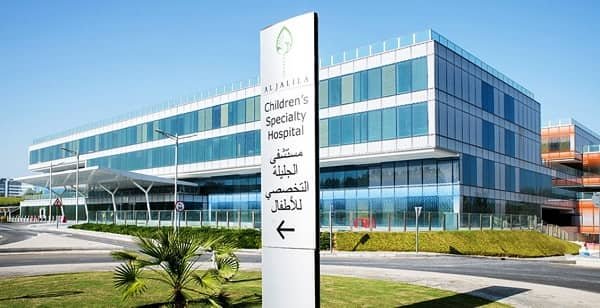
Care does not stop once a baby is born. Many maternity hospitals in Dubai are located close to, or connected with, dedicated paediatric hospitals in Dubai, allowing a smoother transition from delivery to newborn care.
- Newborn checks typically happen within the first 24 hours
- Vaccination schedules begin shortly after birth
- Premature or unwell newborns may need neonatal intensive care
- Paediatric specialists monitor growth and development in the following months
- Parents benefit from having maternity and paediatric records in one place
This connected approach means fewer gaps in a child’s early medical history.
Conclusion
Obstetrics and gynaecology cover a wide stretch of a woman’s life, from a first gynaecological check-up to pregnancy and beyond. Regular screening catches most conditions early, when they are easiest to treat. Choosing a hospital with experienced specialists, proper diagnostic facilities, and easy access to paediatric care supports both mother and child well past the delivery date.
Frequently Asked Questions
What is the difference between obstetrics and gynaecology?
Obstetrics focuses on pregnancy, labour, and childbirth. Gynaecology covers the female reproductive system at all other life stages, including menstrual health, fertility, and menopause. Many specialists train in both fields.
How often should I see a gynaecologist?
Most women benefit from an annual check-up, even without symptoms. Screening frequency for tests like Pap smears depends on age and prior results, so your gynaecologist will set a suitable schedule.
When should I start antenatal care during pregnancy?
Antenatal care should begin as soon as pregnancy is confirmed, ideally within the first eight to ten weeks. Early visits establish a baseline and screen for conditions that need monitoring throughout the pregnancy.
How do I choose the best gynaecology hospital in Dubai?
Look for specialists trained in both obstetrics and gynaecological surgery, on-site imaging, a neonatal unit, and continuity of care from one consultant. These factors matter most during pregnancy and complex gynaecological cases.
Are pediatric hospitals in Dubai linked to maternity care?
Many are. Hospitals with both maternity and paediatric departments allow a newborn’s care to continue seamlessly after birth, with shared records and coordinated follow-up appointments.